
Chase the Spectrum: Color-Coded Bloom Quests Begin
Step into a playful botanical adventure where color leads the way and petals become clues. Color-Coded Bloom Quests invite you to explore gardens, sidewalks, and markets by chasing shades, matching palettes, and celebrating discoveries through photos, sketches, and stories. Gather your curiosity, charge your camera, and prepare to notice details you’ve always passed by, because every hue hides a challenge, a memory, and a gentle spark of wonder.
Create a Personal Palette Map
Choose five to eight anchor colors that reflect your season and location, then add neighboring tints to widen possibilities. Print a tiny card or save a swatch grid on your phone. The map guides choices, reveals gaps, and celebrates delightful, unexpected detours.
Set Playful Rules You’ll Actually Keep
Decide times, distances, and documentation habits that feel realistic today, not aspirational someday. Maybe one color per weekday, or ten minutes after lunch. Light constraints spark creativity, reduce decision fatigue, and turn random looking into intentional noticing that steadily compounds into satisfying progress.
Seasonal Routes and Everyday Habitats
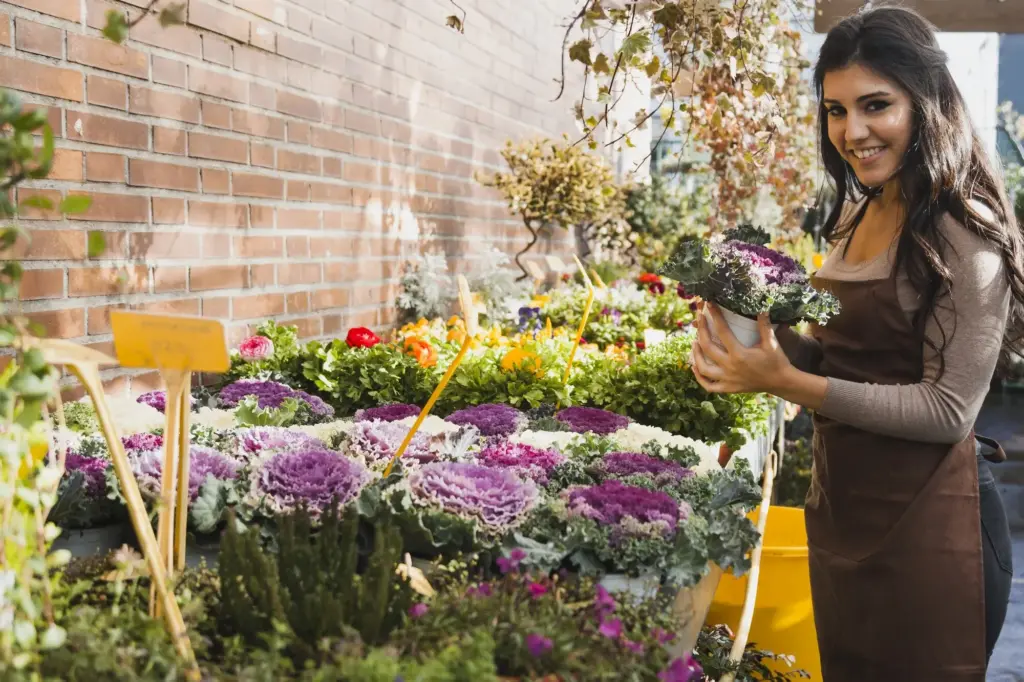
Work with the rhythms outside your window. Spring offers tender pastels; summer, saturated fireworks; autumn, coppered intensity; winter, stoic textures and rare, radiant surprises. Align routes with your region’s bloom calendar, farmers’ markets, conservatories, and overlooked edges where hardy volunteers quietly color the margins.
Color Theory Entwined with Living Petals
Marry painterly insight with botanical reality to see more vividly. Harmonies, complements, and temperature shifts appear across stamens, foliage, and shadow. Understanding pigment chemistry, pollination signals, and environmental stress deepens appreciation, elevates photographs, and sharpens identification when similar blooms whisper differences through barely-there tonal pivots.
Pigments, Light, and Weather
Anthocyanins, carotenoids, and betalains respond to sunlight, soil, and chill, subtly tilting hues across days. Cloud cover softens contrasts; dew refracts edges; wind shifts leaf reflectance. Logging conditions helps explain photographs, prevents mislabeling, and builds a library of teachable, comparative color moments.
Signals for Pollinators
Many blossoms advertise landing zones with ultraviolet bullseyes invisible to humans but legible to bees. Meanwhile, hummingbirds favor bold, tubular scarlets. Observing these cues clarifies why certain colors cluster together, enriching your quests with ecology, empathy, and practical strategies for kinder, less intrusive observation.
Capture, Keep, and Share the Spectrum
Your finds deserve thoughtful documentation that protects living spaces and invites others along. Balance quick photos with minimal handling, record locations responsibly, and favor sketches or pressings from cultivated sources. Sharing progress sustains motivation, sparks collaborations, and gently encourages stewardship within circles that already care, and beyond.

A Nimble Phone Photography Flow
Set focus on petals, lock exposure, and shade with your hand to tame glare. Snap a neutral gray card, then capture context and detail. Rename files by color, date, and place. This repeatable flow preserves accuracy, speeds retrieval, and simplifies later storytelling.
Sketch What the Lens Misses
Even sharp photos flatten translucence. Field sketches record movement, scent notes, and temperature you felt kneeling in dew. Five minutes with pencil and limited palette sharpen attention, reduce noise, and honor subtleties like bruised edges, curling sepals, or pollen dust along shadowed filaments.
Pressings, Labels, and Gentle Ethics
Use recyclable paper, avoid protected species, and press only cultivated clippings or fallen petals. Label color names, dates, and stories about where you looked. Ethical habits keep wonder alive for others and model care that strengthens communities, classrooms, and future adventures.
Gather People Around the Palette
Invite companions to chase colors together, dividing shades, trading tips, and celebrating micro-wins. Low-pressure challenges make conversations easy, deepen friendships, and coax shy observers outside. Sharing maps, playlists, and snacks turns ordinary strolls into rituals that care for neighborhoods, bodies, and collective imagination.
Mindful Tracking and Gentle Momentum
Momentum grows when reflections meet data. Log colors, dates, habitats, weather, and companions. Write a sentence about mood before and after each outing. Review monthly to notice patterns, celebrate unlikely finds, and set tiny, encouraging next steps that feel generous, realistic, and restorative.
A Color-Emotion Journal You’ll Revisit
Pair swatches with short feelings and body notes, such as warmed shoulders under gold, or steadied breath beside cool violets. Over time, associations clarify which hues restore focus quickly, guiding route choices and check-ins on hectic days that might otherwise blur.
Metrics that Motivate, Not Pressure
Track streaks, colors completed, and new species met, then celebrate persistence rather than volume. Replace missed days with gentle gratitude notes. This reframing keeps quests playful, protects mental health, and sustains the curiosity that originally tugged you outdoors, eager for another shade.
Share, Subscribe, and Keep the Colors Coming
Post a weekly collage, tag your location thoughtfully, and invite readers to propose tricky shades for upcoming walks. Subscribe for prompts, printable palette maps, and seasonal checklists. Your participation fuels kinder streetscapes, richer conversations, and a living archive of color-hearted discoveries.
All Rights Reserved.