Color Quests That Turn Students into Plant Detectives

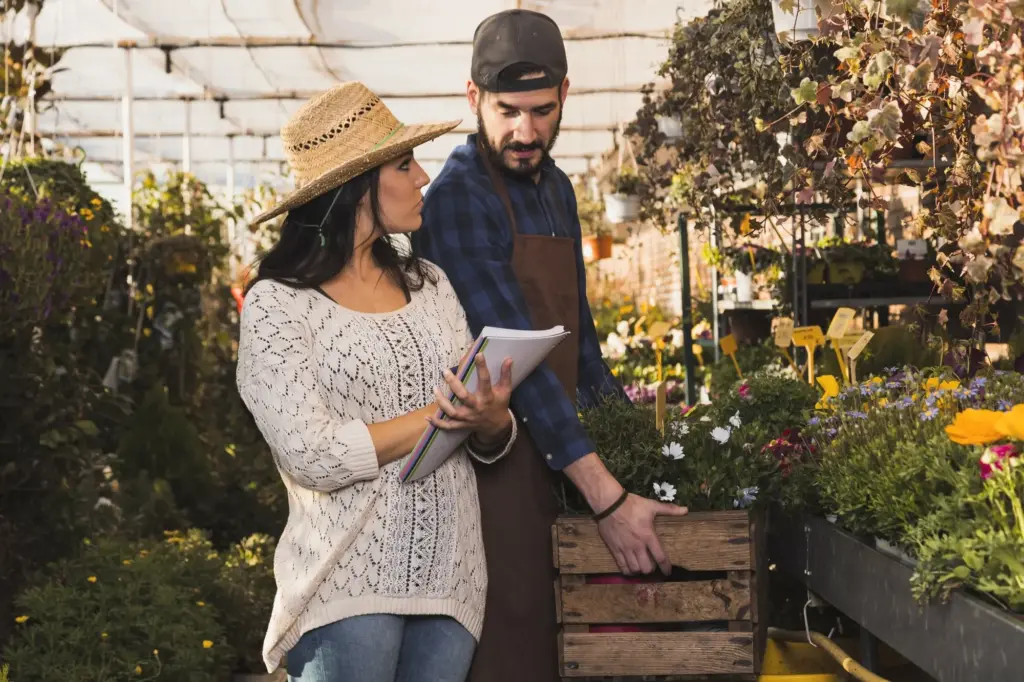
Step into Classroom Field Missions: Teaching Plant Identification via Color-Themed Quests, where curiosity meets structure and every hue becomes a clue. We’ll show you how to launch engaging, standards-aligned explorations that build observation skills, real scientific habits, and classroom community. Join the conversation, try the missions, and share your most surprising color discoveries with fellow educators.

Launching Missions with Confidence and Spark

Set the stage for unforgettable learning by transforming ordinary walks into purposeful investigations anchored in color. A clear briefing, a generous sense of play, and thoughtful scaffolds help students notice more, collaborate kindly, and record findings that grow into evidence-based explanations. Start small, iterate quickly, and celebrate tiny victories so momentum carries across seasons and settings.

Color as a Scientific Lens, Not Just Decoration

Invite learners to treat color as data tied to pigments, physiology, and environment. Connect greens to chlorophyll and photosynthesis, golds to carotenoids, and reds to anthocyanins shaped by temperature and light. Students discover that hues hint at adaptation, stress, maturity, and even pollinator communication, turning aesthetics into explanations.

Identification Skills: From Noticing to Naming

Move beyond casual recognition by blending color cues with morphology, habitat, and growth form. Model how to triangulate identity using a color-first dichotomous key, simple apps, and classic field guides. Emphasize uncertainty as a scientific strength, capturing hypotheses in notebooks that evolve into more confident claims supported by evidence.

Safety, Ethics, and Inclusive Access Outdoors

Protect people and places through predictable routines, clear boundaries, and care for living systems. Practice leave-no-trace protocols, avoid collecting unless permitted, and partner with grounds staff. Design alternative pathways for mobility needs and color-vision differences so every learner contributes, feels seen, and experiences real ownership of discovery.

Gamification and Storytelling that Sustain Momentum

{{SECTION_SUBTITLE}}

Narratives That Transform Walks into Adventures

Cast students as color detectives navigating a living city of plants, each hue a signal from residents with specialized jobs. Weekly cliffhangers, character badges, and location-based “intel drops” keep anticipation alive. The story structure helps students remember procedures and concepts because they matter to unfolding missions.

Scoring Systems that Reward Depth Over Speed

Allocate higher points for well-supported claims, careful notes, and respectful teamwork. Create bonus opportunities for revisiting tricky specimens, refining hypotheses, or documenting environmental conditions that might shift color. Transparent rubrics teach that science values patient observation and reasoned argument, turning assessment into motivational feedback loops.

Assessment, Data Practices, and Meaningful Extensions

Gather evidence of learning through performance tasks, journals, and collaborative products anchored in authentic field data. Build color-coded datasets to reveal patterns across weeks, then connect to citizen science platforms. Extend missions into art, writing, and service projects that honor local ecologies students now know by sight and story.

Rubrics That Value Observation Quality

Design criteria privileging specificity, multiple lines of evidence, and accurate use of vocabulary. Include self-assessment prompts about uncertainty and growth. When students internalize what strong evidence looks like, their field habits improve naturally, and grades become mirrors of genuine scientific thinking rather than simple checklists.

Mini-Herbaria and Color-Coded Data Boards

Create class herbaria with ethically collected or fallen samples, labeled by hue, habitat, and suspected species. Pair with magnetic or digital boards charting sightings over time. Visual clustering helps students spot seasonal transitions, microhabitat effects, and recurring misidentifications worth revisiting in future, targeted missions.

From Schoolyard Notes to Community Science

Translate careful notes into submissions for platforms like iNaturalist or local biodiversity projects, following privacy and permission guidelines. Students experience real-world impact as their observations support broader datasets. Celebrate contributions with certificates, reflective writing, and invitations to mentor younger classes beginning their own color quests.